
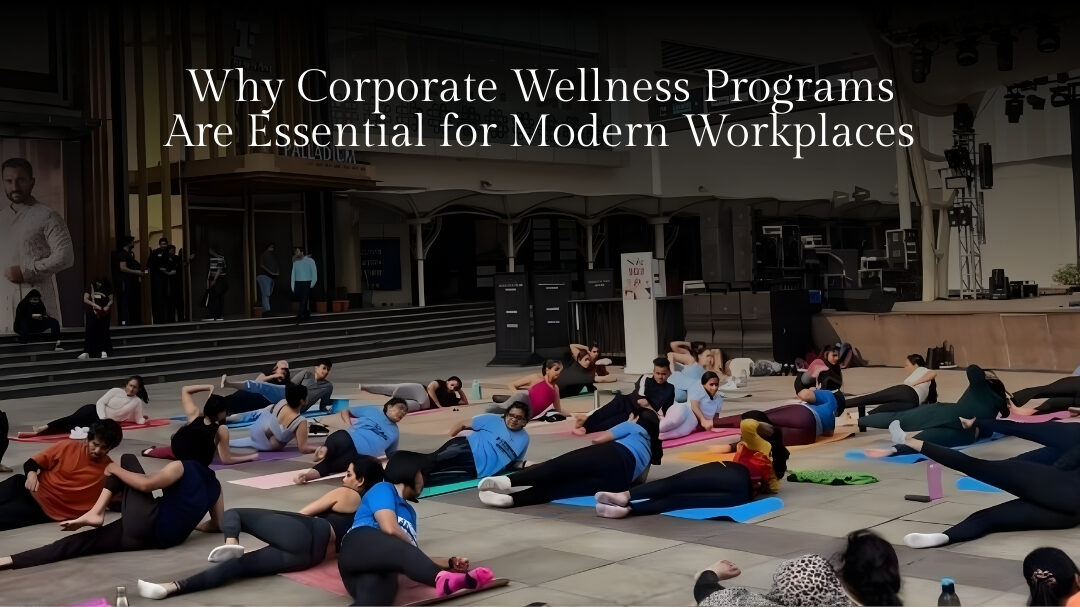
Work has changed dramatically over the past decade. We’re glued to screens for hours on end, bouncing between home offices and cubicles, constantly interrupted by pings and alerts, and expected to perform at levels that honestly aren’t sustainable. All of this has quietly chipped away at people’s health. That’s why Corporate Wellness Programs have shifted from being a bonus to being something companies actually need.
Working with organizations across various sectors, there’s a pattern that keeps emerging: investing in employee wellbeing isn’t about being kind. It’s about staying competitive.
Why Corporate Wellness Programs Matter More Than Ever
Employees today aren’t just going through the motions tired, they’re genuinely depleted. Mental fog, bodies that ache from terrible posture, days spent mostly sitting, stress that builds up with nowhere to go—these have become the norm across every department and every level of seniority.
Thoughtfully designed corporate wellness programs can help address this by:
- Cutting down on burnout and chronic fatigue before people hit their breaking point
- Boosting focus, giving people their energy back, and lifting morale
- Building resilience that helps both body and mind
- Developing a workforce that’s healthier and genuinely engaged
In many workplaces now, how a company handles wellness has become a deciding factor for talent. People gravitate toward employers who genuinely care about their wellbeing, not just their output.
Why Exercise Needs to Be Part of the Plan
You can’t build wellness on a single pillar. Mental health support matters, nutrition education helps, but movement is what anchors everything else. The most effective Corporate Wellness Programs tend to weave in structured, guided formats like Pilates and weight training, both are flexible enough to work for different bodies and easy to scale across teams of all sizes.
Why Pilates Works So Well in Corporate Environments
Consider what desk jobs demand from your body day after day: sitting in one position, shoulders rounded forward, fingers tapping away, repeat until 6 PM. Your body wasn’t designed for this. Pilates essentially works to undo what office life does to you—it counteracts the compression from sitting, the rounding from hunching, the stiffness from staying still.
For people working corporate jobs, Pilates helps employees:
- Develop core strength that actually protects your spine instead of just looking good
- Stand and sit taller, which naturally reduces that nagging discomfort in your neck and
back - Move with increased awareness and breathe more efficiently
- Let go of stress without feeling physically drained
Since Pilates is low-impact and adaptable, it welcomes people exactly where they are—whether they’ve never exercised regularly or they’re already pretty active. That accessibility keeps participation high because nobody feels excluded or overwhelmed.
Weight Training: Real Strength for Real Life
While Pilates improves how you move, weight training builds the kind of strength and confidence that shows up in daily life with real physical capacity.
When introduced correctly, weight training does far more than add muscle definition:
- It improves muscle and bone health significantly
- It boosts energy and overall stamina through long workdays
- It supports metabolic and cardiovascular health
- It helps employees feel physically capable, not fragile
In Corporate Wellness Programs, weight training works best when it’s well-structured and professionally supervised, centered on form, not intensity for intensity’s sake.
Why Expertise Matters: The Value of the Right Trainers
Let’s not dance around this: a wellness initiative is only as good as the people leading it. Bringing in an experienced pilates trainer in India or a certified strength professional means you’re getting someone who understands the messy reality of corporate life.
Experienced trainers understand workplace limitations—time constraints, varied fitness levels, past injuries—and they design programs that employees can realistically sustain.
This is what separates initiatives that turn into actual habits from ones that fizzle out after the
first month.
Leadership and Long-Term Impact
Programs that truly succeed don’t just get signed off by HR—the most effective Corporate Wellness Programs are backed by leadership. When managers and senior teams actively support wellness efforts, participation naturally increases.
Over time, this creates:
- Stronger team connection that’s genuine
- Higher engagement and retention across departments
- Reduced absenteeism that actually shows in the numbers
- A workplace culture that values long-term health, not just quarterly results
Wellness stops being an “initiative” you roll out and starts becoming part of how the organisation
operates day to day.
Conclusion: Healthy Employees Build Strong Companies
Corporate wellness has evolved beyond token gestures and quarterly workshops. Sustainable Corporate Wellness Programs—integrating Pilates, weight training, and expert-led movement—help employees function better, think clearer, and work stronger.
For organisations looking to build credible, effective wellness initiatives, programs shaped by industry leaders like Yasmin Karachiwala bring together expertise, structure, and real-world understanding: creating workplaces where wellbeing and performance grow together.